

Your detected language is English. Click below to continue in English or choose another language from the options.
Arda Naim Sunar, Cumhur Caglan Kayali
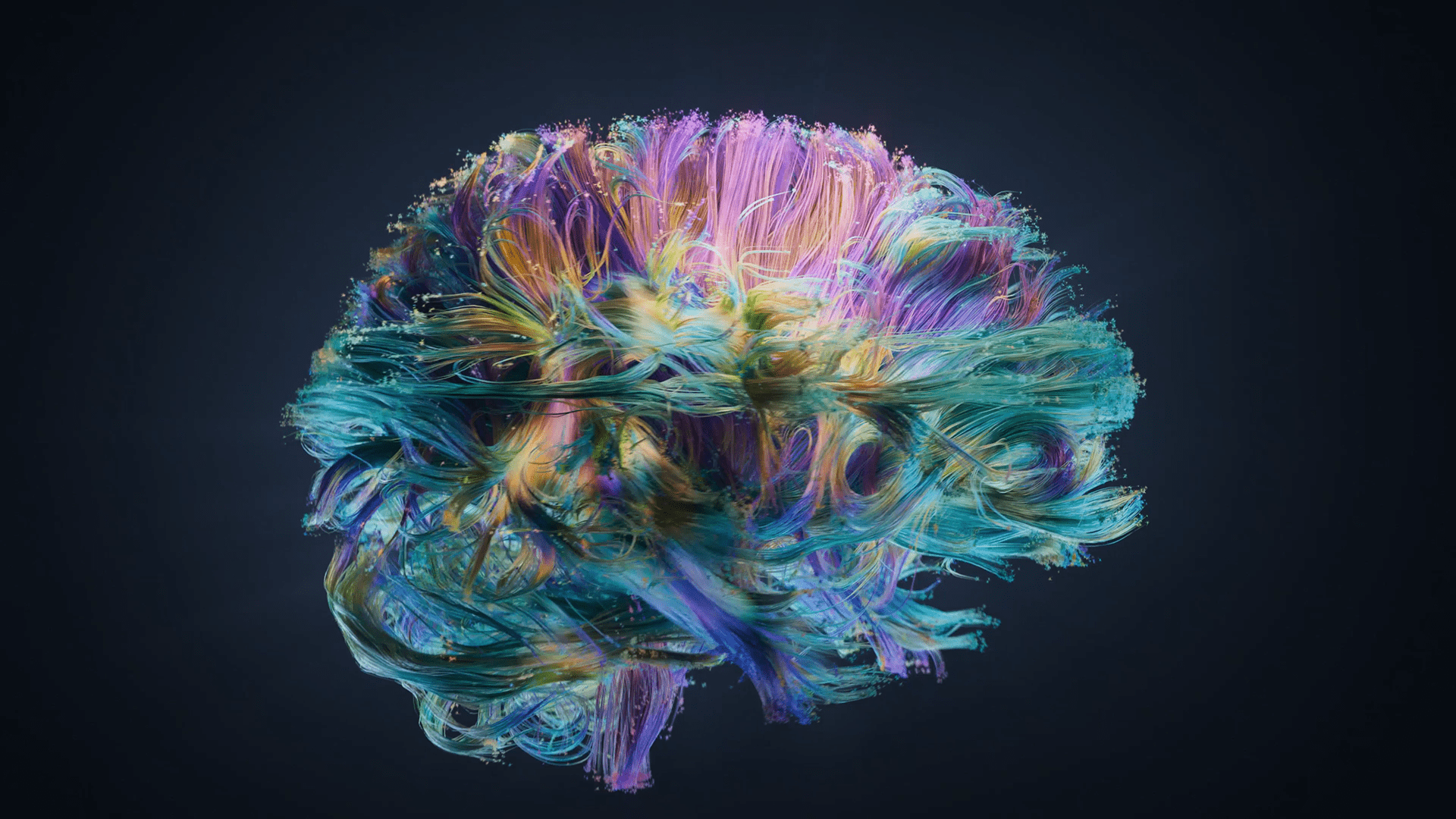
Colors are not merely aesthetic preferences; they are powerful cognitive stimuli that directly influence the human mind’s decision-making mechanisms. Numerous studies in neuroscience, psychology, and marketing statistically demonstrate that color tones trigger emotional, behavioral, and perceptual responses at the subconscious level.
The human brain evaluates a visual stimulus in less than 90 seconds on average, and 60–90% of this evaluation is based solely on color. This shows that colors act as a decision filter that engages before words and shapes.
According to behavioral psychology, colors are directly linked to the brain’s limbic system. This system governs core emotions such as fear, trust, pleasure, and risk perception. For example:
Enhances feelings of trust and stability. It is no coincidence that over 50% of finance and technology brands prefer blue tones.
Triggers a sense of urgency and alertness. It has been statistically proven to accelerate purchasing decisions.
Creates a sense of balance and relaxation; widely used by health and sustainability-focused brands.
Elevates perceptions of power, prestige, and control, which is why it dominates the luxury segment.
The critical point here is not only which color is used, but also which shade of that color. While light blue conveys trust, dark navy evokes authority. Different shades of the same color can create entirely different subconscious associations.
Research shows that effective use of color can:
increase brand recognition by up to 80%, boost user engagement by an average of 20–30%, and influence purchase intent by 10–15%.
These figures clearly demonstrate that color choices are not merely a “design detail,” but a direct strategic decision.
People are often unaware of how colors influence them. The brain, however, is aware. The subconscious encodes colors as “meaning labels.” That’s why when a brand feels “trustworthy,” “approachable,” or “luxurious,” there is often a consistent color strategy behind that perception.
Color tones are silent yet powerful tools that influence human behavior. Statistics clearly show that colors are not merely visual elements, but a psychological and neurological language. When the right tones are used in the right context, they directly shape brand perception, user experience, and decision-making processes. In short: people believe they decide based on what they see, but most of the time, they decide based on how colors make them feel.
Are you ready to build a project that grows alongside your business and puts you in control? Let’s create a strong foundation together for your future success.
We’re ready to answer your questions—let’s get in touch.